Feminist Leadership
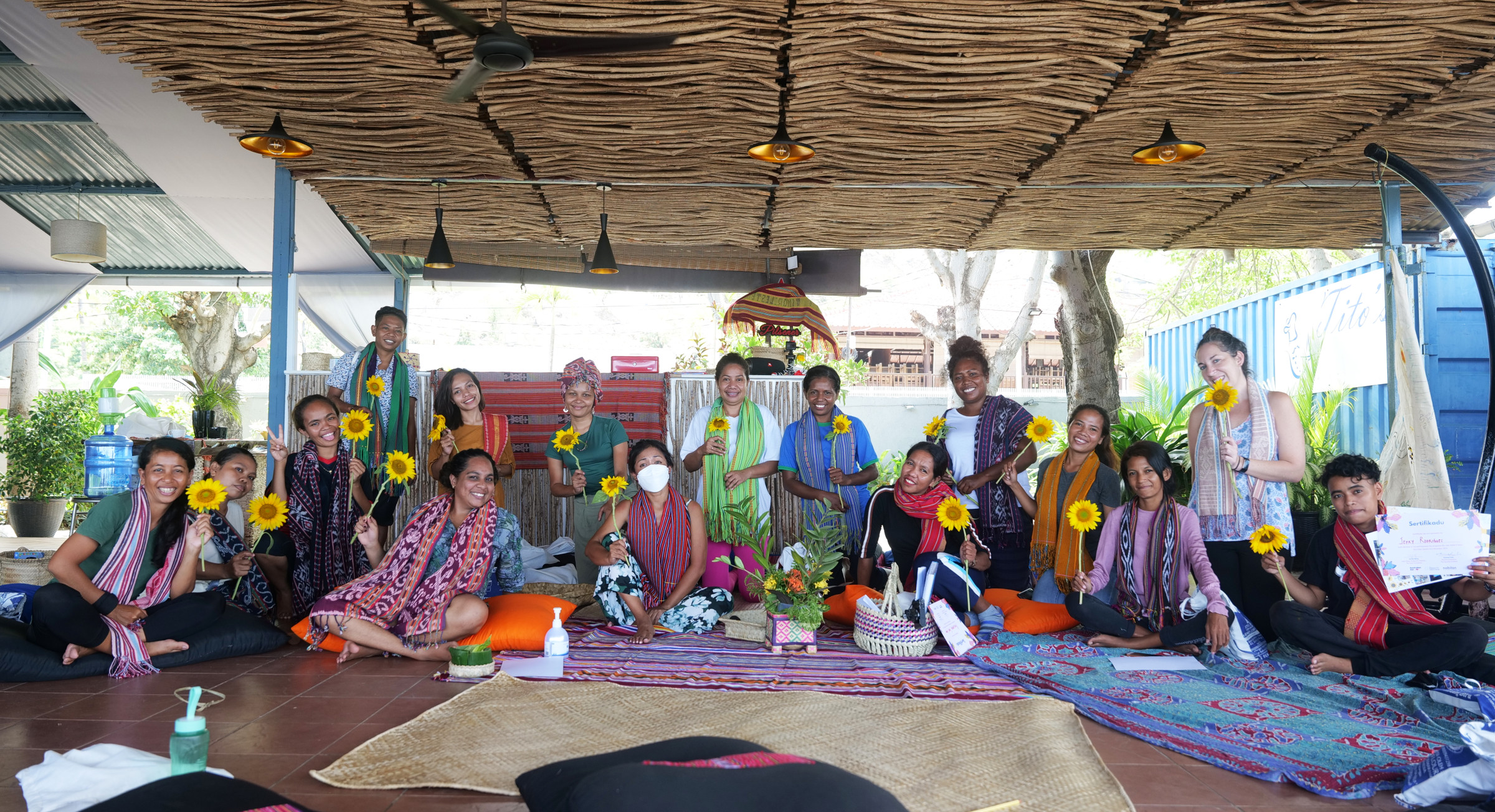
Bin-Alin Hakbi’it Malu (Sisters Empowering Each Other): Resourcing feminist leadership and collective care in Timor-Leste
Equality Institute was engaged by Oxfam Australia to provide technical input into a synthesis report that summarises the issue of violence against women in the Pacific region.
Violence against women and girls remains a pervasive global and regional crisis, with one in three women experiencing physical or sexual violence in their lifetime. In the Pacific, prevalence rates are among the highest in the world, with structural and systemic gender inequalities normalising violence and limiting women’s independence, decision-making, and access to justice. The impacts extend beyond immediate harm, affecting health, education, livelihoods, and broader social and economic development, and creating multi-generational cycles of disadvantage.
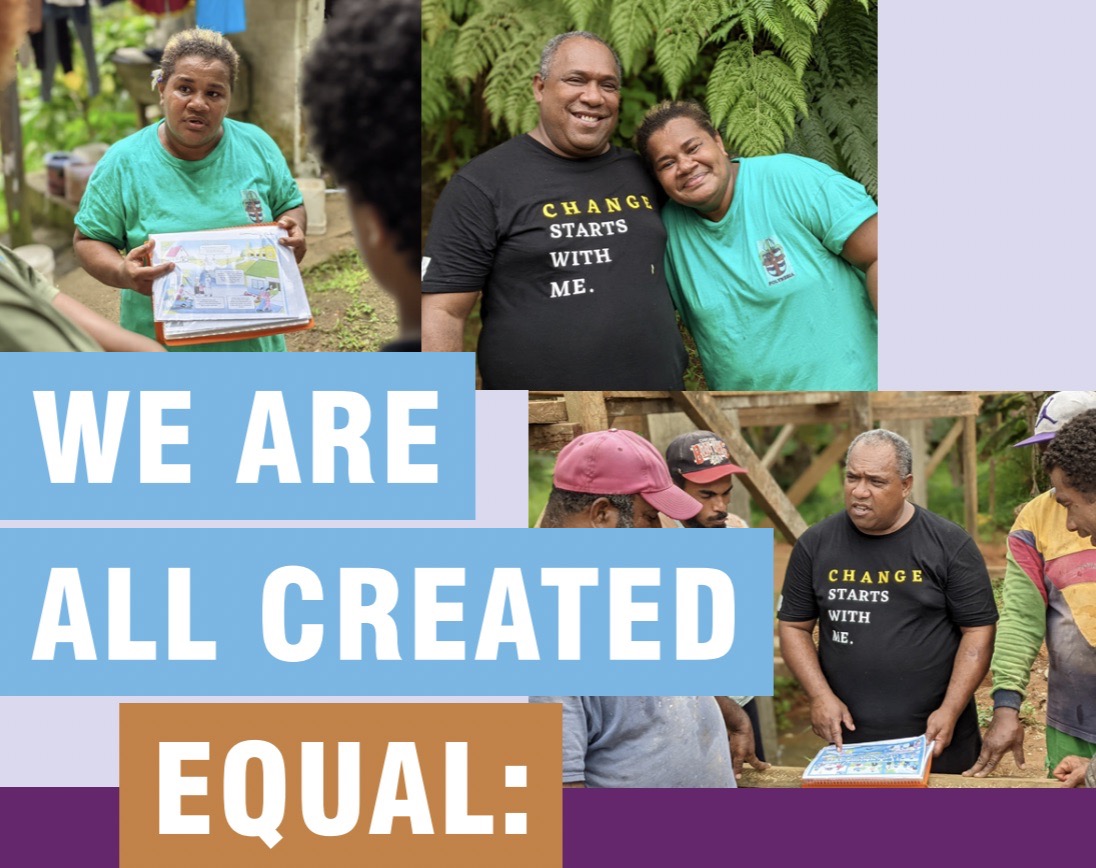
Oxfam’s work in the Pacific over the past seven years highlights the effectiveness of locally led, community-driven programs that address the root causes of violence, including harmful gender norms and inequities. Programs that engage both women and girls as well as men and boys, respect cultural contexts, and provide survivors with justice and support services demonstrate measurable positive change.
The report calls on the Australian Government to strengthen its commitment to eliminating violence against women and girls in the region. This includes listening to Pacific women and communities driving change, ensuring adequate aid funding, and implementing sustained, evidence-informed action. Upholding these commitments is essential for creating a safe, equitable region where women and girls can fully realise their human rights.

Equality Institute was founded in Naarm (Melbourne, Australia) on Wurundjeri Woi Wurrung Country. We pay our respects to the Traditional Owners of this land and waterways, the Wurundjeri Woi Wurrung people, as well as their elders, past and present. We extend this respect to all Indigenous peoples of this continent and its adjacent lands, recognising their cultures as the oldest continuous living cultures in human history.
Read MoreYou have been logged out.
"*" indicates required fields